





Welcome to the

Couch Lab

Homepage!


Courses


Lab News


Lab Photos


Graduate Student

Research Opportunities


Paid Positions


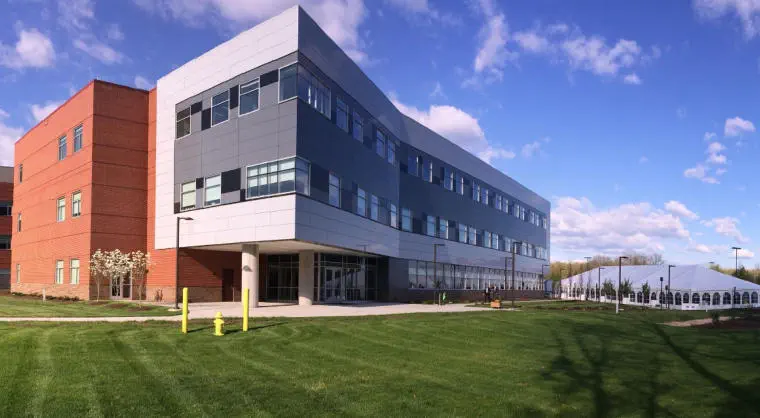
...................Occoquan Building

.......................................................................................................

The Couch lab is located in Room 442 Occoquan, on the Prince William Campus of George Mason University. My office is located in Room 403 Occoquan. Click here to get a map of the PW campus.


Outlined below are very brief descriptions of some of the research projects we are working on in the Couch lab. For more information email me here.


If you are interested in high school, undergraduate, graduate, Laor postdoc research opportunities in my lab, follow this link to see the opportunities that are currently available. I'm always interested in talking with hard working, highly motivated people!


1) Investigating Isoprenoid Biosynthesis in Francisella tularensis.


With over 55,000 different compounds identified to date, isoprenoids comprise one of the most diverse classes of molecules found in nature. Isoprenoids are fundamentally involved in a variety of crucial biological functions including electron transport (quinones), cell wall biosynthesis (dolichols), and signal transduction (prenylated proteins). Despite their structural and functional diversity, all isoprenoids are derived from two building blocks, isopentenyl pyrophosphate (IPP) and dimethylallyl pyrophosphate (DMAPP), which originate from the methylerythritol phosphate (MEP) pathway in the bacterium F. tularensis.


We are investigating several aspects of isoprene biosynthesis in F. tularensis. We have cloned the genes for each of the MEP pathway enzymes and are actively characterizing each purified protein.


2) Cyathin A3 Mechanism of Action.


Nerve growth factor (NGF) is a neurotrophic factor whose induction is triggered by various physiological perturbations to the nervous system, including nerve lesions and excitotoxic destruction. Under these conditions, a local increase in NGF is elicited, primarily by glial and fibroblast cells, which promotes neuronal survival by binding to NGF receptors (located on the surface of neuronal cells) and initiating a signal transduction cascade. Growth factor therapy has been suggested as a method of preventing or reducing neuronal cell loss and atrophy that occurs during a stroke or in neurodegenerative disorders such as amyotrophic lateral sclerosis (ALS), Alzheimer's disease, and Huntington's disease. However, since NGF itself cannot cross the blood-brain barrier, it has to be administered directly into the brain, severely limiting the therapeutic potential of exogenous NGF treatment. However, these limitations might be overcome with the use of small-molecule inducers of endogenous NGF.


Experiments with astrocytoma cells have revealed significant NGF inducing activity of two structurally related fungal natural products, erinacine C and scabronine A (shown above). Elucidating the mechanism by which these diterpenes confer their activity will significantly aid in the future development of these xenobiotics. In collaboration with Dr. Dennis Wright at the University of Connecticut, we are utilizing cyathin A3 (the cyathin core of erinacine C and scabronine A) to determine the mechanism of action.


3) Personalized Medicine and Anticholesterol Drug Treatment.

Coronary heart disease is the number one killer of men and women in North America. Elevated plasma cholesterol concentration is a major risk factor for the development of coronary heart disease. Statins are drugs that block cholesterol biosynthesis, thereby reducing the plasma cholesterol concentration. However, a wide variation in interpatient response to statin therapy has been observed. Thus, optimal dosage, maximizing anticholesterol activity while minimizing undesirable side effects, is typically determined through a costly trial and error process. Personalized medicine, the process of using a patient’s genotype to guide the course of therapy, may offer a method to circumvent, or at least expedite, the dose determination process. We are currently evaluating selected proteins implicated in contributing towards the interpatient response to statin therapy.


This project is currently funded by the Jeffress Memorial Trust.

4) Additional Research Projects.

In addition to those described above, we are also pursuing other industrial biochemistry related research projects including:

a) Biosensor development - in collaboration with BAE Systems and the US Army Corps of Engineers.

b) Characterization of a novel fluorescent protein - in collaboration with BioSpherex.

If you are interested in participating in this type of research then contact me.

Publications:

Couch, R.D., Ganem, N.J., Zhou, M., Popov, V., Veenstra, T.D., Sporn, M.B., and Anderson, A.C., CDDO disrupts microtubule polymerization: A possible mechanism of its apoptotic activity. Mol Pharmacol 2006, 69(4): 1158-1165.

Seidle, H.F., Couch, R.D., and Parry, R.J., Characterization of a nonspecific phosphopantetheinyl transferase from Pseudomonas syringae pv syringae FF5. Arch Biochem Biophys 2006, 446(2):167-74.

Couch, R.D., Browning, R.G., Honda, T., Gribble, G.W., Wright, D.L., Sporn, M.B., and Anderson, A.C., Studies on the reactivity of CDDO, a promising new chemopreventive and chemotherapeutic agent: implications for a molecular mechanism of action. Bioorg Med Chem Lett 2005, 15(9):2215-2219.

Honda, T., Janosik, T., Honda, Y., Han, J., Liby, K.T., Williams, C.R., Couch, R.D., Anderson, A.C., Sporn, M.B., and Gribble, G.W., Design, synthesis, and biological evaluation of biotin-conjugates of 2-cyano-3,12- dioxooleana-1,9(11)-diene-28-oic acid for the isolation of the protein targets. J Med Chem 2004, 47(20):4923- 4932.

Couch, R.D. and Gaucher, G.M., Rational elimination of Aspergillus terreus sulochrin production. J Biotechnol 2004, 108(2):171-178.

Seidle, H.F., Rangaswamy, V., Couch, R.D., Bender, C.L., and Parry, R.J., Characterization of Cfa1, a monofunctional acyl carrier protein involved in the biosynthesis of the phytotoxin coronatine. J Bacteriol 2004, 186(8):2499-2503.

Couch, R.D., O'Connor, S.E., Seidle, H.F., Walsh, C.T., and Parry, R.J., Characterization of CmaA, an adenylation-thiolation didomain enzyme involved in the biosynthesis of coronatine. J Bacteriol 2004, 186(1):35-42.

Couch, R.D., Seidle, H.F., and Parry, R.J., Construction of expression vectors to produce affinity-tagged proteins in Pseudomonas. Biotechniques 2002, 32(6):1230-1236.