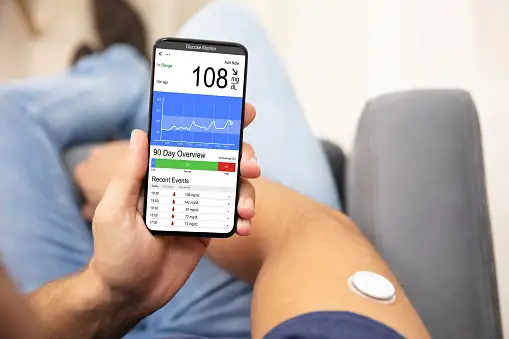
The wide variety of mHealth apps that are available on smartphones now means that there are various services that they provide. Some mobile health examples include Generis, which is an app that connects patients with diabetes to provide useful tips to each other, Apple Health, which monitors physical activity, heart rate, sleep, and food intake, and Headspace, which is a mental health app that allows users to explore guided meditation and audios for relaxation (Bhatt, 2021). More recently, contact tracing apps became a hot topic in mHealth technology because of the rise of COVID-19, representing the significance of these apps in protecting the public. Not only that, but healthcare providers also make use of mHealth apps through virtual appointments, accessing images and scans, electronically prescribing medications, and scheduling appointments (Ventola, 2014, p. 358). This means that mHealth apps provide numerous services to patients and providers, which is why they are so beneficial to the public because it gives users an active role in taking care of themselves, and it also allows providers to be in contact with patients.