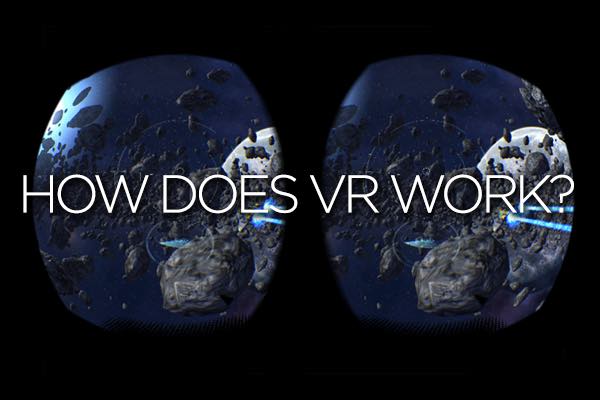
VR uses computer modeling to create an artificial three-dimensional simulated sensory environment that users can communicate with using interactive devices in the forms of headsets, goggles, gloves, and body suits that send and receive information (Lowood, 2021). These devices pick up the users’ movements and actions in real time and can even provide the sensation of touch, allowing for the user to move around and interact with the generated environment around them and “feel like they’re there”.
More On How VR Works
A virtual reality headset's objective is to transport you to another world where you can interact with new environments
Virtual reality designers use basic perception rules and notions about how we interact with the world to build worlds that feel as real as the real world
Virtual reality headsets are simply computers that replace our surroundings with software-generated content
In order to determine how you move and track your activities with a virtual area, headsets use gyroscopic sensors, accelerators, and magnetometers
External cameras and computer systems are also connected to your headset, allowing you to obtain software for your VR experience or interact with other programs